How To Improve Your Gut Health
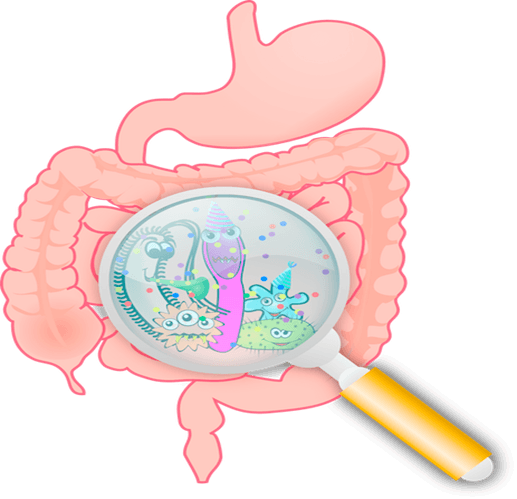
Gut health means a healthy digestive tract with effective digestion and absorption. Inside you lives an ecosystem of millions of microbes — your gut microbiome — whose diversity and quality affect your overall health and resistance to disease.
The gut–brain connection
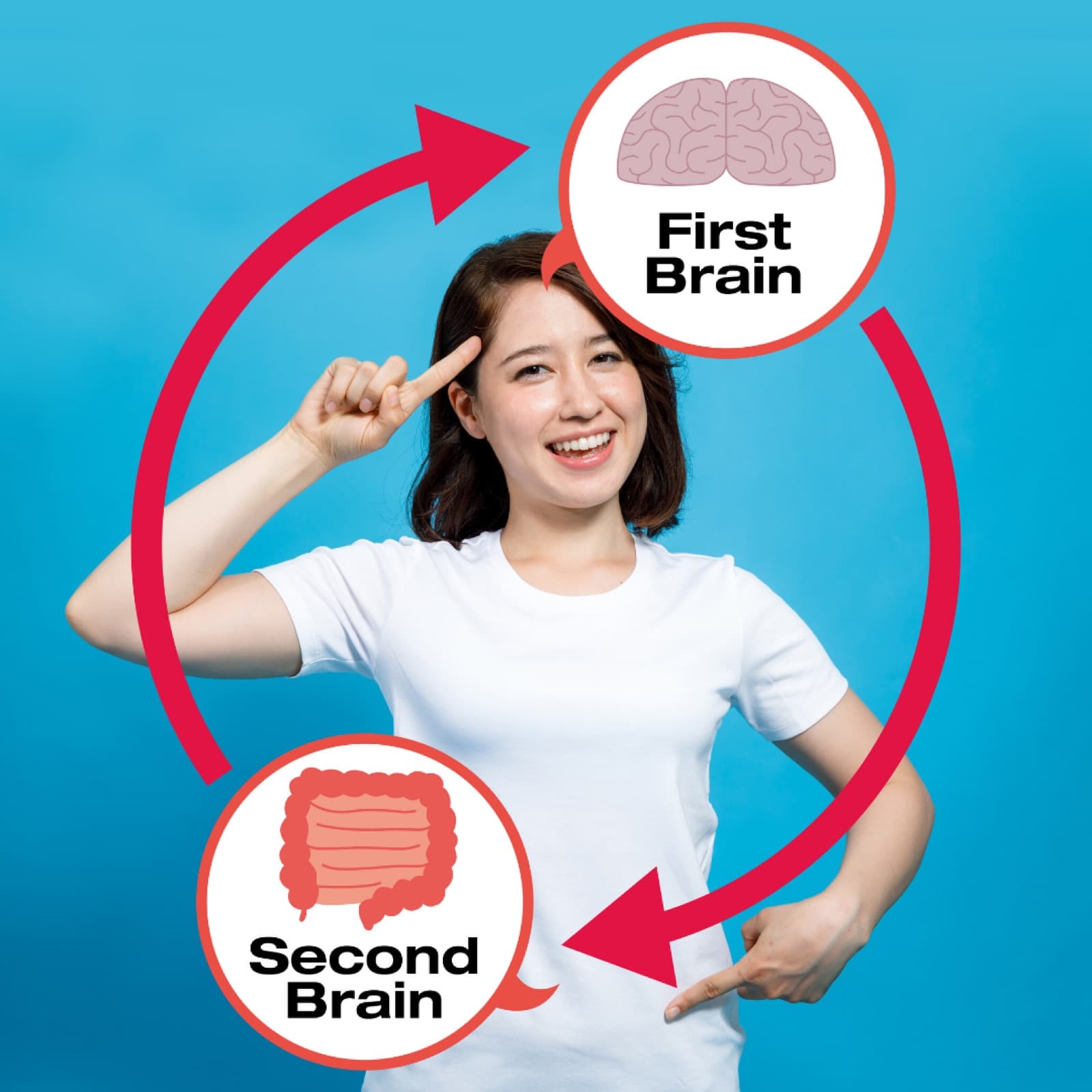
Research on the “gut–brain axis” echoes the Ayurvedic saying that all diseases start in the gut. The gut is often called your second brain, connected to it via nerves. Around 80% of serotonin, the feel-good hormone, is produced in the gut.
Maintaining good gut health
Favour the good bacteria over the bad through diet and lifestyle: whole foods, enough sleep, less stress, daily exercise, plenty of fibre, and — most importantly — probiotics and prebiotics. Cut back on simple sugar, processed foods, alcohol and smoking, and avoid overusing antibiotics, laxatives and severe restrictive diets.
Probiotics and prebiotics
Probiotics are live beneficial bacteria; prebiotics are the fibre that feeds them. Good sources include whole grains, legumes, pulses, sprouts, nuts and seeds, fruits and vegetables, and fermented foods such as yogurt, buttermilk, idli and dosa. Two lesser-known and powerful options are kanji (a North-Indian fermented carrot or beetroot brine drink) and bone broth, which is rich in calcium.

Aim for roughly 85% good bacteria to 15% bad. The reverse — dysbiosis — drives chronic inflammation and autoimmune disease.